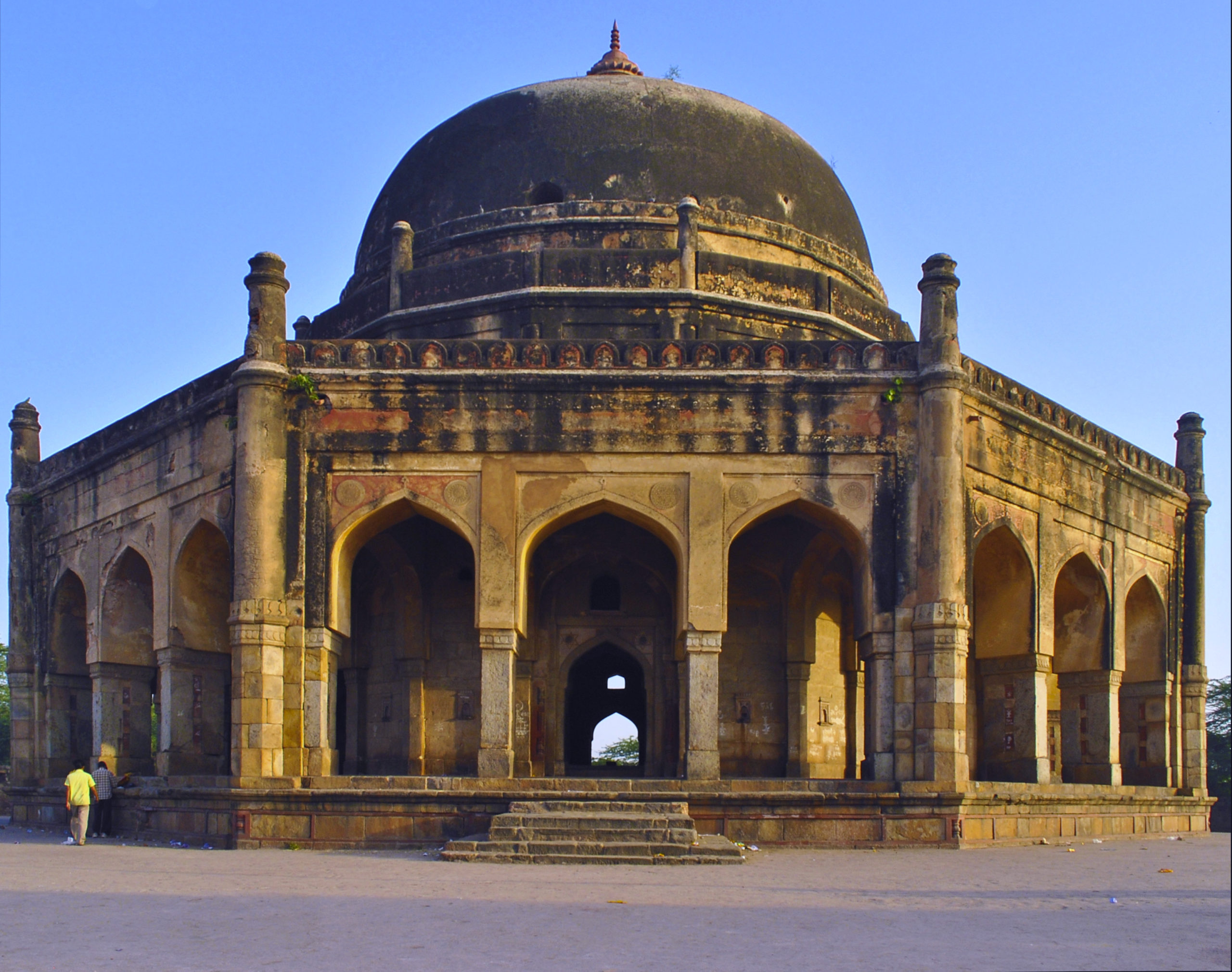
There are a lot of Historical Places In Delhi For A Walk Through Time, Delhi has been the capital of numerous administrations over the timeframe. From the Pandavas of the Hindu epic Mahabharata to the Narendra Modi-drove BJP of the current day political situation, the current capital of India has seen numerous rulers come and go. A considerable lot of these rulers got new strongholds, royal residences, and foundations developed. Today, these verifiable spots in Delhi structure the feature of the touring voyages through the capital, famously known as Delhi Darshan.
With a history that ranges longer than a thousand years, it is just typical to have an extensive rundown of verifiable spots. In any case, to attempt to sum up, we bring to you a far-reaching rundown of renowned spots in Delhi that say a lot about the historical backdrop of the Indian capital.
- Lush Ladho Sarai
- Mystical Mehrauli
- Happening Hauz Khas
- Ancient Tughlaqabad
- Unique Jahanpanah
- Antique Kotla
- Significant Shergarh
- Historical Old Delhi
- Magnificent Badarpur Zail
- Contemporary Wazirabad
- Beautiful Nizamuddin
- Appealing Inderpat Estate
- Monumental Khirki Village
- Exquisite Kharera Village
- Aesthetic Delhi Ridge
- Engaging Babarpur
- Stunning Jantar Mantar
- Artistic Agrasen Ki Baoli
- Charming Chhota Qutub Minar
- Inspiring India Gate
1. Lush Ladho Sarai
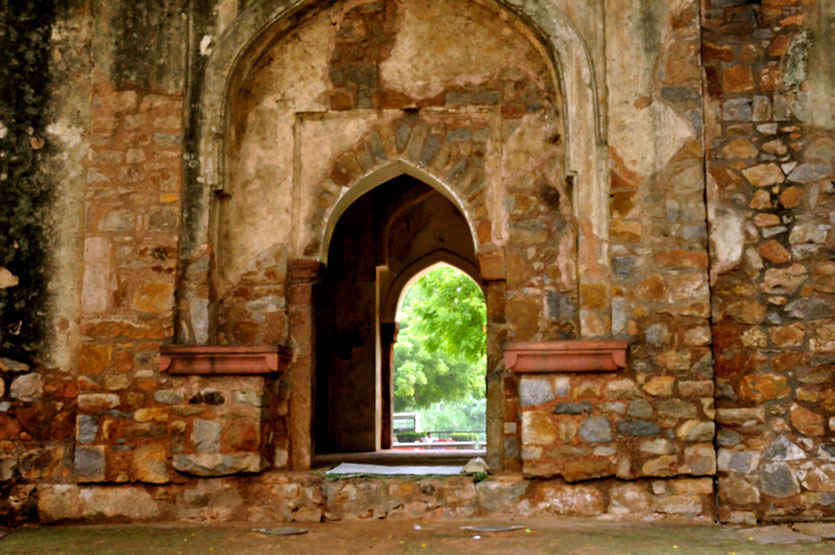
Because of the accessibility of recorded verifiable realities, Rai Pithora is known as the principal city of Delhi. The once strengthened city was worked by Prithviraj Chauhan subsequent to vanquishing the Tomar Rajputs in the twelfth century. Before this, the Tomars managed over a foundation known as Lal Kot that was worked by the Tomar ruler Anangpal I in the eighth century. Despite the fact that these attractions on the rundown of recorded spots in Delhi are no more in presence, vestiges of the equivalent can be found in the Mehrauli area. The twelfth-century Rai Pithora is today prevalently known as Ladho Sarai.
Area: Southwest Delhi, Near Qutub Minar Complex, New Delhi – 110030
Nearest Metro: Saket Metro Station (Yellow Line)
2. Mystical Mehrauli
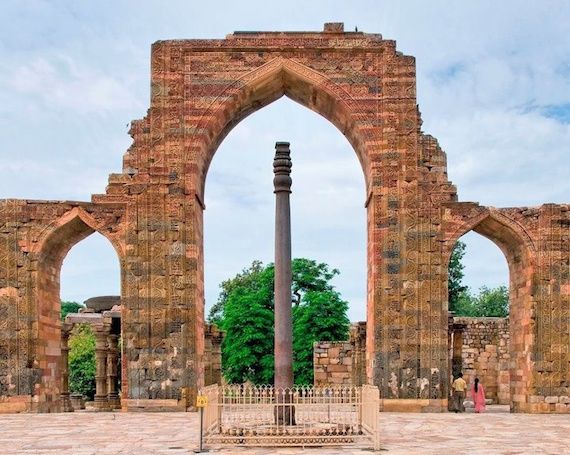
In the wake of defeating Prithviraj Chauhan in 1191, Mohammad Ghori left his slave Qutubuddin Aibak as his emissary. Aibak got Delhi, which was still in the ownership of the Chauhans, in 1193. After the death of Ghori in 1206, Aibak sat down in Delhi for himself and set up the first Mughal rule over Delhi. This accommodated the climb of the Slave Dynasty. Qutubuddin Aibak began building Islamic structures that were later participated in his city – Mehrauli. This was the second city and historical places in Delhi.
The city of Mehrauli recalls a lot of chronicled places for Delhi, the head being the Mehrauli Archeological Park, and the Qutab Archeological Area.
Built By: Tomar Rajputs
Built-In: 1060 CE
Monuments in the Qutab Minar Complex: Minar of Qutubuddin Aibak (Qutub Minar), Iron Pillar, unfinished Minar, Tomb of Iltutmish, Tomb of Imam Zamin, Alai-Darwaza, and a mosque
Area: Southwest District, New Delhi – 110030
Closest Metro: Qutub Minar Metro Station (Yellow Line)
3. Happening Hauz Khas
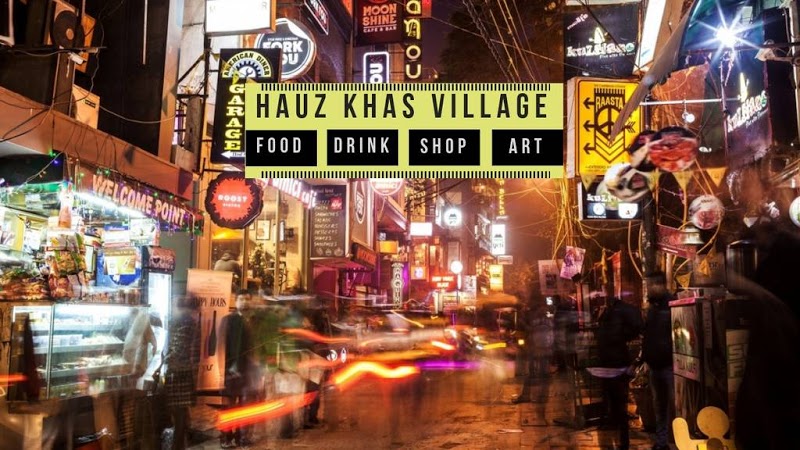
One of the most happening and well-to-do neighborhoods of 21st century Delhi, Hauz Khas gets its name from the Royal Water Tank that worked during the rule of Allauddin Khilji. The current day Hauz Khas region was then called Siri, which was one of the seven urban areas of Delhi. A feature of the New Delhi travel industry circuit, the zone holds significance for both the history buffs and the part sweethearts. What’s more, with the nearness of horde landmarks in the locale, Hauz Khas qualifies as one of the significant chronicled historical places in Delhi.
Built By: Alauddin KhiljiBuilt In 13th century
Location: South West District, New Delhi – 110016
Closest Metro: Green Park Metro Station (Yellow Line)
4. Ancient Tughlaqabad
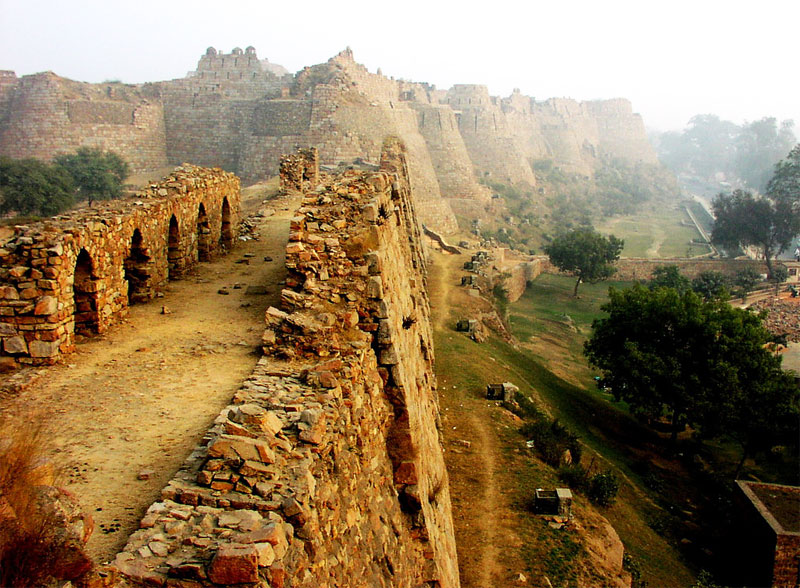
It was in 1320 that Ghiasuddin Tughlaq won the Sultanate of Delhi from Nasiruddin Mohammed and established the city of Tughlaqabad. He got the Tughlaqabad Fort built in the city, stays of which can in any case be found here. As the third city among the previous seven urban areas of the Delhi Sultanate, Tughlaqabad too positions high in the rundown of the significant verifiable spots in Delhi.
Built By: Ghiyas-ud-din Tughlaq
Built-In: 1321
Area: South Delhi, New Delhi- 110016
Nearest Metro: Green Park Metro Station (Yellow Line)
5. Unique Jahanpanah
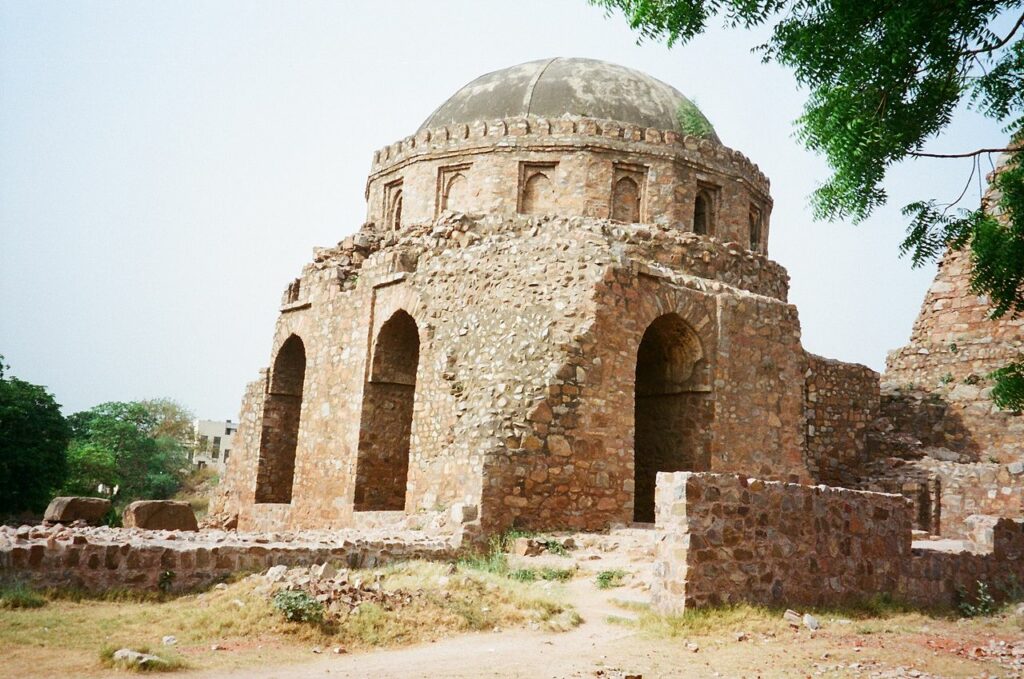
After the unfavorable demise of Ghiasuddin Tughlaq in 1325, his child Muhammad container Tughlaq climbed the seat. Following a rule of 7 years with Tughlaqabad as his capital, he moved the capital of the domain to Daulatabad, Devgiri, in Aurangabad District of Deccan. Be that as it may, the shortage of water drove him to move back to Delhi in 1334. It was then that he established another city – Jahanpanah or the World’s Asylum – exceptionally near his previous capital of Tughlaqabad. Despite the fact that it was never considered among the 7 urban communities of the capital, it is considered as one of the significant spots in Delhi for the history darlings.
Location: Geetanjali Marg, Block S, Malviya Nagar, New Delhi – 110016
Nearest Metro: Malviya Nagar Metro Station (Yellow Line)
6. Antique Kotla
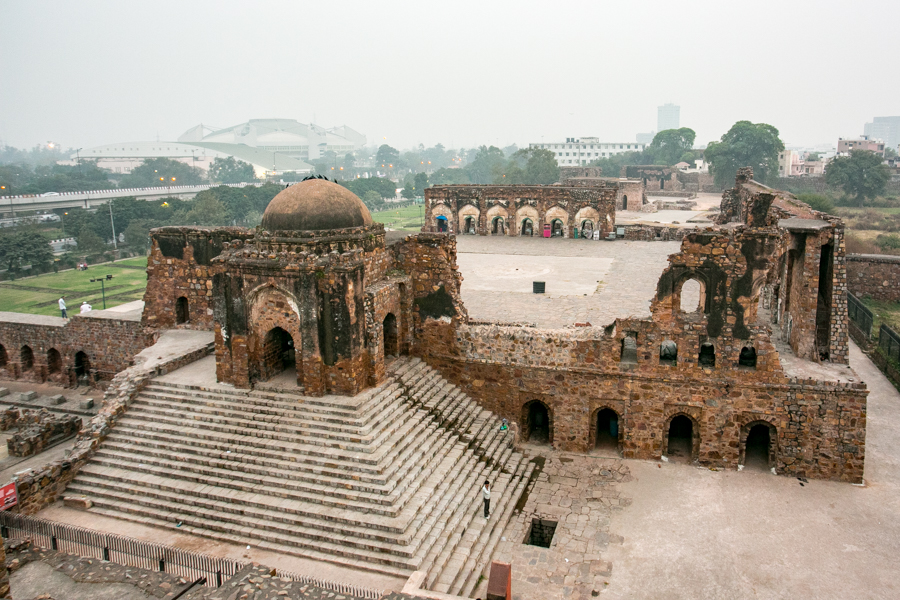
After an appalling rule by Muhammad container Tughlaq, his child Firoz Shah set out to carry some steadiness to the domain. At the appropriate time, he set up another city in Delhi – Firozabad or Firoz Shah Kotla. The city was a huge fenced-in area of high dividers and contained royal residences, pillared corridors, mosques, a pigeon tower, and a water tank. Firoz got an Ashokan column from 1500 years back raised on the head of his castle.
The Sayyid and Lodhi administrations that followed attempted to reestablish the dependability. The most well-known nurseries and burial chambers of this period, which you may have the option to see on a Delhi Darshan in the territory encompassing the present-day Lodhi Gardens, likewise fall in the Firozabad city of medieval India.
Built By: Delhi Sultanate
Built In: 14th century
Location: South Extension I, New Delhi – 110003
Nearest Metro: South Extension Metro Station (Pink Line)
7. Significant Shergarh
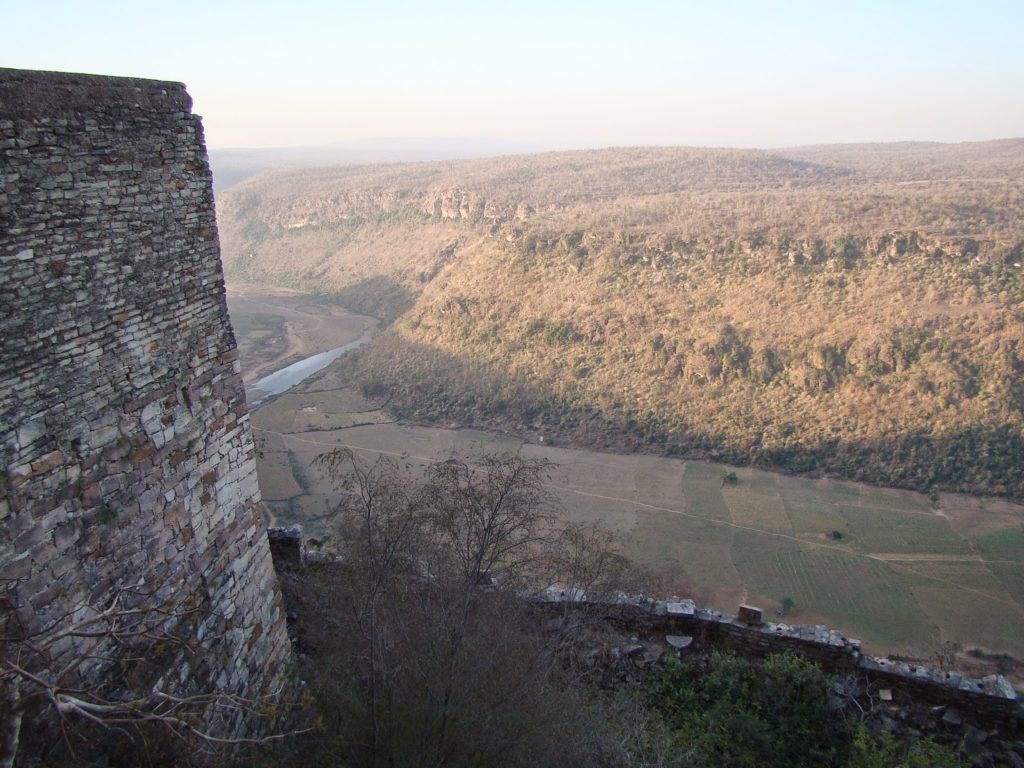
The current day Purana Qila (Old Fort) was the making of Sher Shah Suri in his capital city of Shergarh. Be that as it may, when Humayun crushed him in 1555 to win the capital back, the post and the city were fragmented. Humayun did the needful and prompted the presence of one of the most mainstream verifiable spots in Delhi.
In spite of the fact that the Humayun’s Tomb complex was constructed later by Emperor Akbar, its area close to the Old Fort has frequently prompted a discussion among the history specialists about whether it is to be remembered for the city of Shergarh. However, on the off chance that you are going to Old Fort, you better not miss the landmarks of the Humayun’s Tomb complex.
Landmarks in Old Fort zone: Purana Qila (Old Fort), Khair-ul-Manzil, Moti Gate of Sher Shah Suri, and Qila-I-Kuhn mosque of Sher Shah
Area: Mathura Road, Near Delhi Zoo, New Delhi – 110003
Nearest Metro: Khan Market Metro Station (Violet Line)
8. Historical Old Delhi
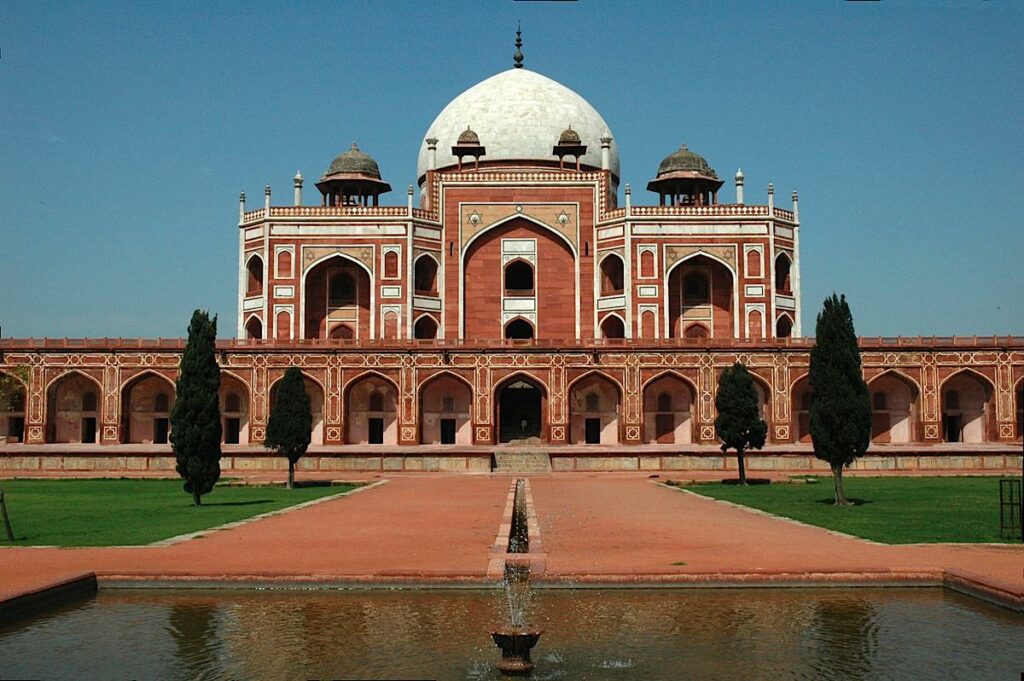
Shah Jahan, the man that gave the Taj Mahal to the world, is additionally credited for the development of the city of Shahjahanabad – the present-day Old Delhi. The city remained the capital of the Mughal Sultanate from 1639 till the finish of the Mughal Dynasty. The walled city was known for its regal design, perplexing paths, rich mosques and nurseries, stunning bazaars, and encompassing dividers.
Built By: Mughal Emperor Shah Jahan
Built-In: 1628- 58
9. Magnificent Badarpur Zail
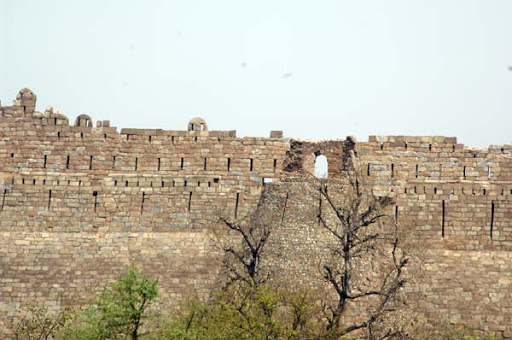
Badarpur, the noteworthy town in the south of Delhi has its a lot of verifiable landmarks. When the zone had various sarais, and today it despite everything houses a few landmarks that one can visit on their noteworthy visit through Delhi. Investigate the dividers of the old city of Tughlaqabad and more on your Badarpur journey.
Chronicled structures in Badarpur Zail Tomb of Mohammed Tughlaqabad Shah and Walls of the old city of Tughlaqabad
Area: Bawana, New Delhi, Delhi 110039
Nearest Metro: Rithala Metro Station (Red Line)
10. Contemporary Wazirabad
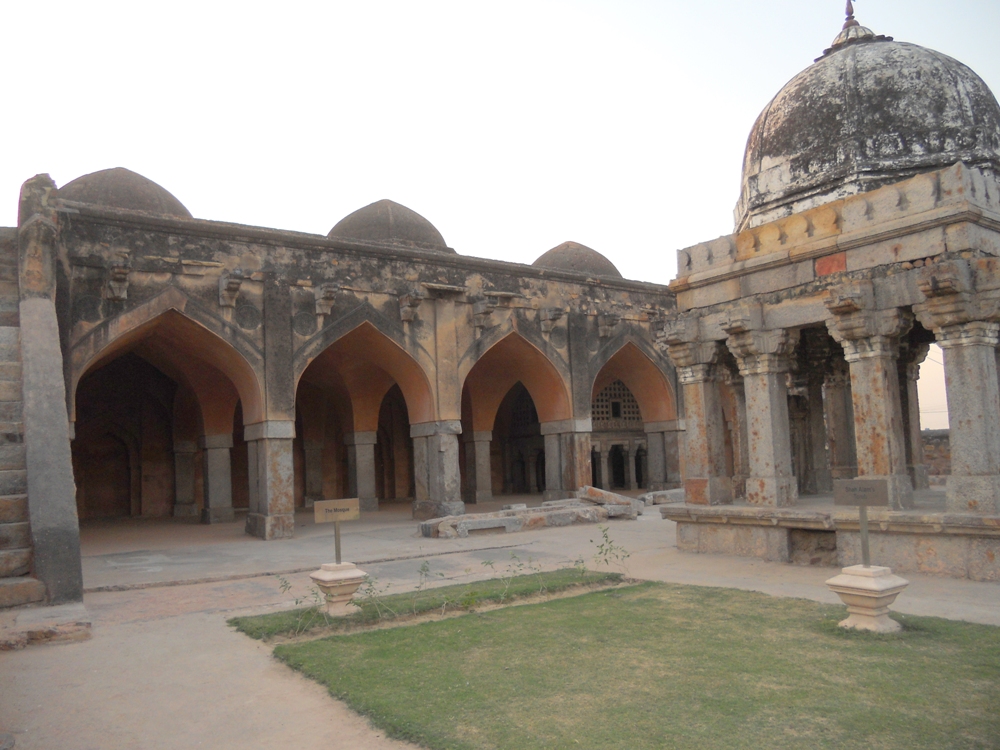
Landmarks are the foundation of any town or city today. They store and protect one’s history and culture. This history is the thing that gives one their foundations. What’s more, when we talk about the verifiable landmarks in Delhi, at that point Wazirabad ought to be referenced as well. Wazirabad has landmarks worked back in the ages and it is incredibly enjoyable to return in time while investigating these delightful landmarks.
Landmarks in Wazirabad: Wazirabad (Tomb of Shah Alam I), Wazirabad mosque, Wazirabad connect, Tomb of Shah Alam Bahadur Shah, Tomb of Shah Alam II, and Tomb of Akbar Shah II
Area: North East Delhi, New Delhi – 110054
Nearest Metro: Majlis Park Metro Station (Pink Line)
11. Beautiful Nizamuddin
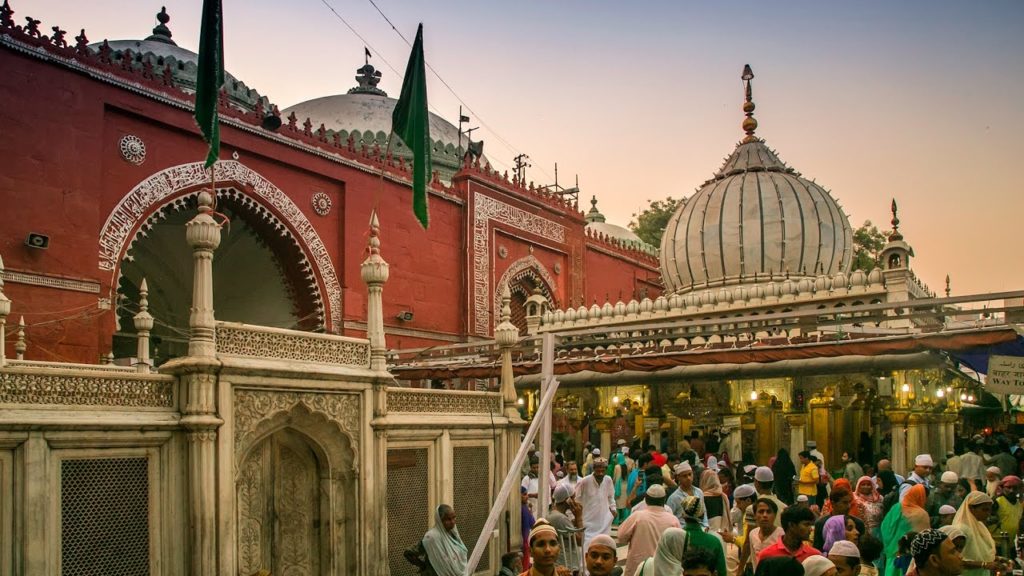
Who hasn’t known about the Dargah of Hazrat Nizamuddin? I surmise everybody has, and other than the popular Dargah, Nizamuddin additionally has a couple of landmarks that one can investigate in the area. Mirza Ghalib, the world-renowned writer, is covered in Nizamuddin as well, and one can visit the burial place of Mirza Ghalib while on a visit through the verifiable landmarks in Delhi.
Landmarks in Nizamuddin: Tomb of Mirza Ghalib, Tomb of Ataga Khan, Grave of Jahanara Begum, Tomb of Nizamuddin Auliya, Tomb of Amir Khusro, Nizamuddin Baoli, and Tomb of Mirza Muzaffar (Barha Batasha and Chhota Batasha)
Area: Hazrat Nizamuddin, South Delhi District, New Delhi – 110013
Nearest Metro: Jangpura Metro Station (Violet Line)
12. Appealing Inderpat Estate
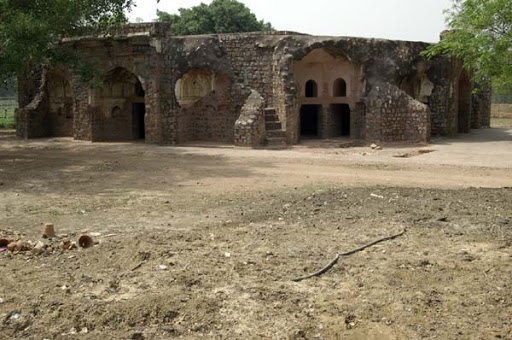
While discussing the authentic landmarks in India, let us not overlook the Inderpat Estate. Prior known as Indraprastha, the name in the cutting edge times changed to Inderpat or Indrapat. The landmarks that one can visit here are the burial chamber of Sunderwala Mahal, Sunderwala Burj, and that’s only the tip of the iceberg. Investigate these fascinating spots with regards to history with your companions. Plan a legacy visit soon!
Area: Sunder Nursery, Hazrat, Bharat Scouts and Guides Marg, Nizamuddin, New Delhi – 110013
Nearest Metro: Jangpura Metro Station (Violet Line)
13. Monumental Khirki Village
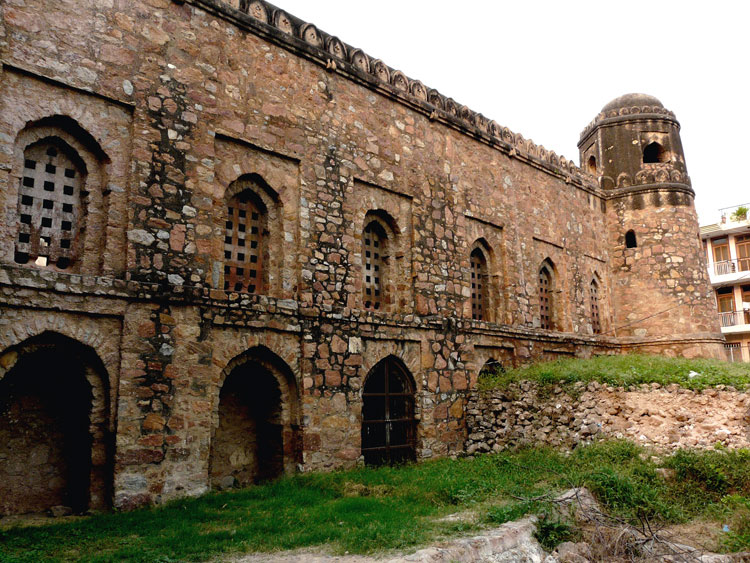
This is one area that you can investigate for the duration of the day. There are various strolls that one can enjoy here. It is the center point of craftsmans and history specialists, and for valid justifications. One can visit the Khirki Mosque here which is a development of the late fourteenth century among other authentic landmarks. Head to the town and lose yourself to the charming locales of the old and thundering, yet rich recorded landmarks in Delhi.
Area: South Delhi District, New Delhi – 110017
Nearest Metro: Malviya Nagar Metro Station (Yellow Line)
14. Exquisite Kharera Village
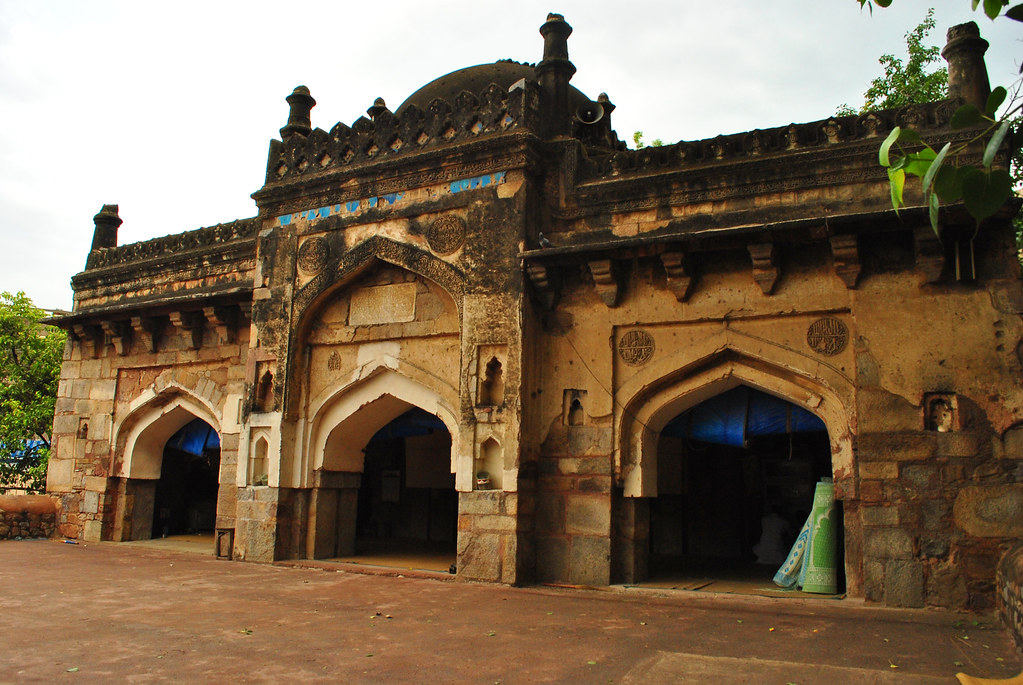
Another area with many landmarks in Delhi is Kharera Village. These landmarks are a token of the past and the brilliant period that the nation once observed. Today, what we can do is visit these spots and figure out how huge these structures used to be, and are even today. Some significant structures in this town are referenced underneath. Peruse on, to find out about these astounding spots in Delhi.
Area: Hauz Khas, New Delhi – 110016
Nearest Metro: Hauz Khas Metro Station (Yellow Line)
15. Aesthetic Delhi Ridge
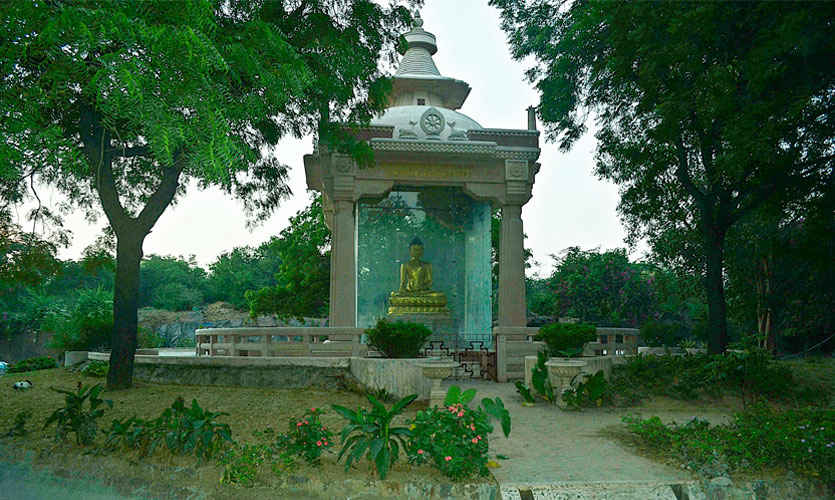
North Delhi isn’t only renowned for the Delhi University Campus, and the spooky Ridge Road. There is more as far as an investigation that one can enjoy there. The region has a couple of authentic places as well, similar to the Flagstaff Tower. This was worked in 1828 as a sign pinnacle. Head to Delhi Ridge and know a greater amount of some authentic places in that locale.
Historical buildings in and around Delhi Ridge Flagstaff Tower, Chauburji, Hindu Rao Baoli, Ashokan Pillar, and Pir Ghaib
Area: Kamla Nehru Ridge, Civil Lines, Delhi, 110007
Nearest Metro: Vidhan Sabha Metro Station (Yellow Line)
16. Engaging Babarpur
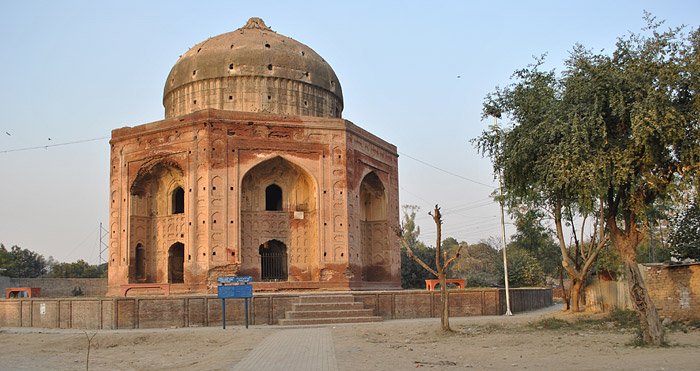
Another district that one can remember for their rundown of authentic landmarks in Delhi is Babarpur. It is in north east Delhi and has a couple of significant structures, specifically Kos Minar. These were the Indian achievements from the medieval period. Miracle how the world ran without Google Maps? Indeed, these achievements helped as markings on longer courses during the prior occasions. Head to Babarpur to view these!
Area: North Shahdara, North East Delhi District, New Delhi – 110032
Nearest Metro: Jaffrabad Metro Station (Pink Line)
17. Stunning Jantar Mantar
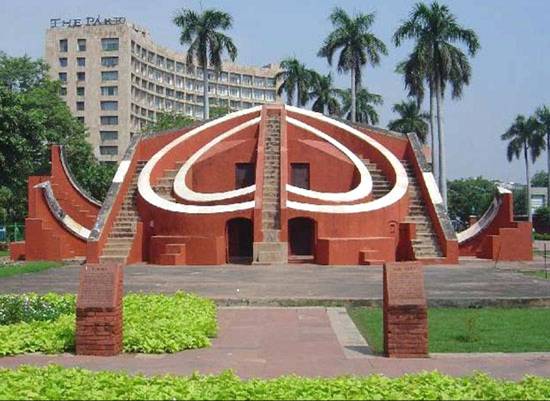
Jantar Mantar is among the landmarks that structure the foundation of New Delhi the travel industry. Situated in the present-day city of New Delhi, it is one of the 5 observatories worked by Maharaja Jai Singh II of Jaipur in 1724. The observatory comprises 13 instruments and 3 significant individual structures. The 3 individual structures are:
Samrat Yantra: Its 128-foot-long (39 m) hypotenuse, which is corresponding to the Earth’s pivot, highlights the North Pole. On its, either side is a quadrant with markers for quite a long time, minutes, and seconds. It likewise helped in estimating declination and other related directions of different eminent bodies.
Jayaprakash Yantra: The Jayaprakash has emptied outsides of the equator with markings on their curved surfaces. Crosswires were extended between focuses on their edge. It was utilized to examine the situation of the stars.
Misra Yantra: The Misra Yantra, the main structure in the observatory that isn’t concocted by Jai Singh II, was an instrument to decide the briefest and longest days of the year and to show the specific snapshot of early afternoon in different urban areas everywhere throughout the world.
Built By: Maharaja Jai Singh II
Built-In: 1724
Area: Connaught Place, Sansad Marg, New Delhi – 110001
Nearest Metro: Janpath Metro Station (Violet Line)
18. Artistic Agrasen Ki Baoli
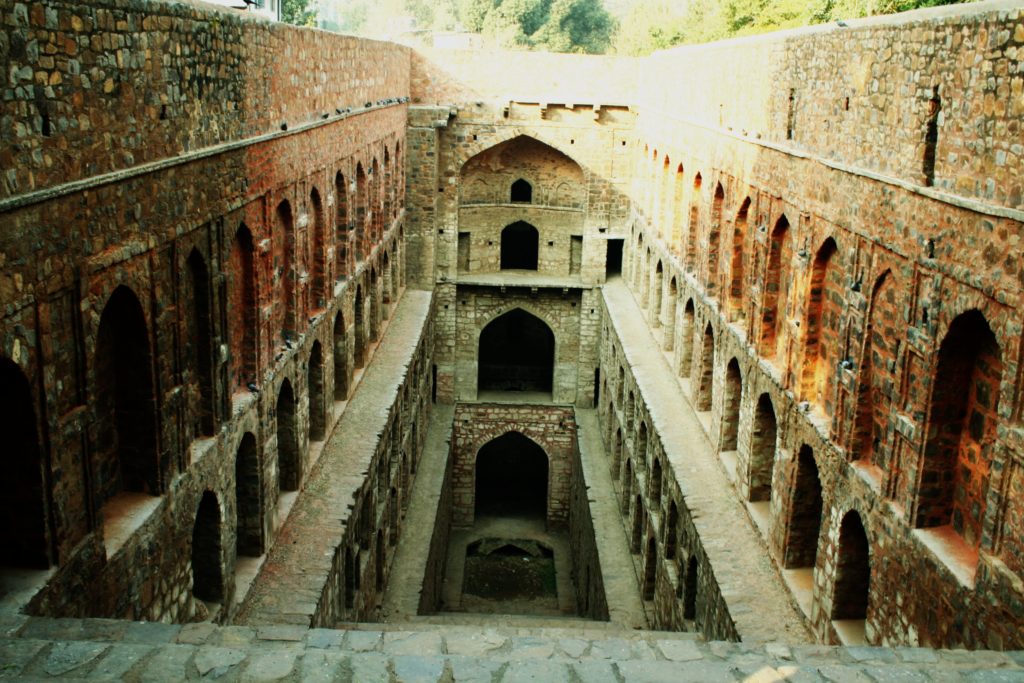
Agrasen ki Baoli is situated on Hailey Road close to Connaught Place in the present-day city of New Delhi. One of the ASI-ensured chronicled historical places in Delhi, it comprises 3 levels and 103 stages. Despite the fact that there are no chronicled records to demonstrate it, yet the structure is accepted to have been worked by the amazing Maharaja Agrasen and remade by the Agarwal people group during the rule of the Tughlaq line. Gossipy tidbits have it that the Baoli is likewise one of the spooky spots in Delhi.
Area: Hailey Road, KG Marg, near Diwanchand Imaging Centre, New Delhi – 110001
Nearest Metro: Janpath Metro Station (Violet Line)
19. Charming Chhota Qutub Minar
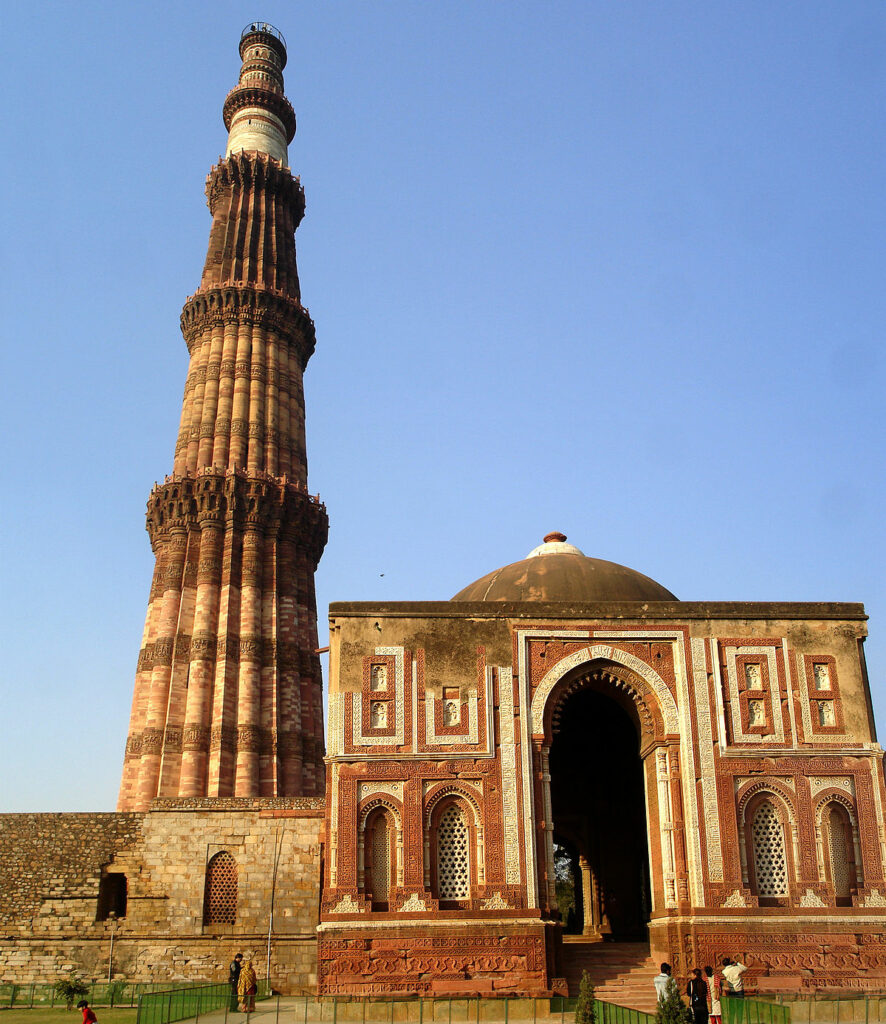
Discussion despite everything exists, for the individuals who have even known about this landmark, about the date of development of this landmark. While the red sandstone utilized in the minar proposes it to be from the Mughal Period, numerous local people guarantee it to be from the hour of Prithviraj Chauhan. It is likewise accepted that the structure was utilized as a chasing lodge by Shahjahan during the 1650s. What currently remains as a 17-meter tall pinnacle with 12 appearances, has a messed up top bit. Because of its distant area at the Hastsal Village in Uttam Nagar, it has been overlooked from the essence of New Delhi the travel industry.
Area: Hastsal Village, Uttam Nagar, West Delhi, New Delhi – 110059
Nearest Metro: Uttam Nagar East Metro Station (Blue Line)
20. Inspiring India Gate
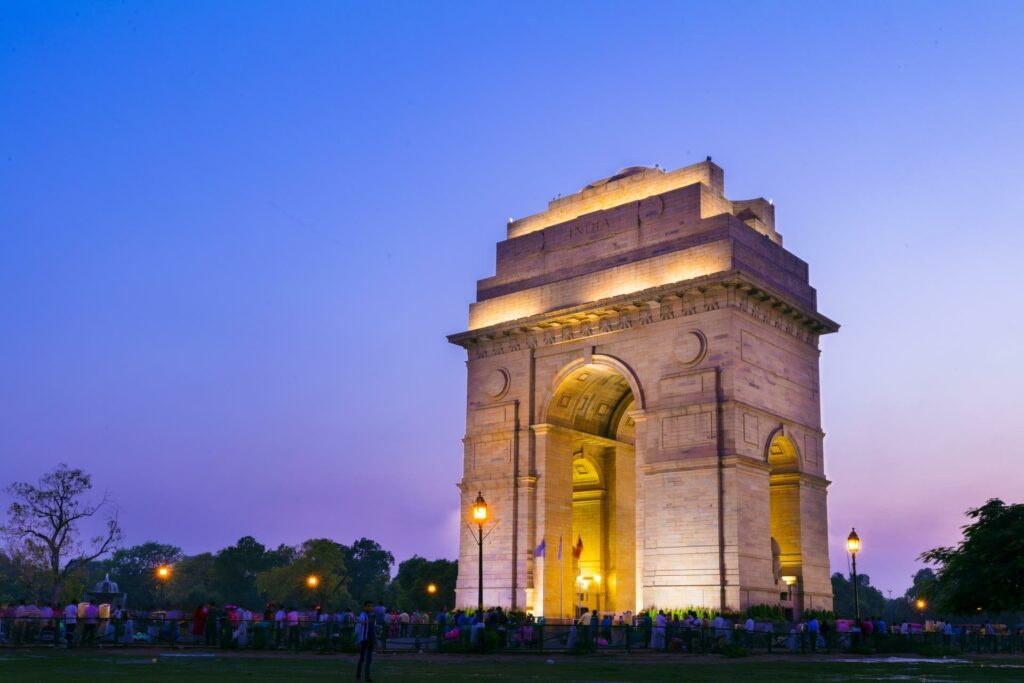
One of the later attractions of the New Delhi the travel industry, the India Gate on Rajpath is a war dedication to the 82,000 fighters of the unified Indian Army who passed on in the period 1914 – 1921 in the First World War, in France, Flanders, Mesopotamia, Persia, East Africa, Gallipoli, and somewhere else in the Near and the Far East, and the Third Anglo-Afghan War. It is a piece of crafted by the Imperial War Graves Commission (IWGC) that appeared in December 1917 for building war dedications.
Its establishment stone was laid by the meeting Duke of Connaught on tenth February 1921 and it was initiated on twelfth February 1931 by Lord Irwin. After the
Area: Rajpath, India Gate, New Delhi – 110001
Nearest Metro: Central Secretariat Metro Station (Yellow Line)