What You Can Learn, We watched a huge load of TED talks, selected the 100 best, isolated them into classifications, and recorded what you can gain from them. How about we get directly into it.
1. A powerful way to unleash your natural creativity by Tim Harford
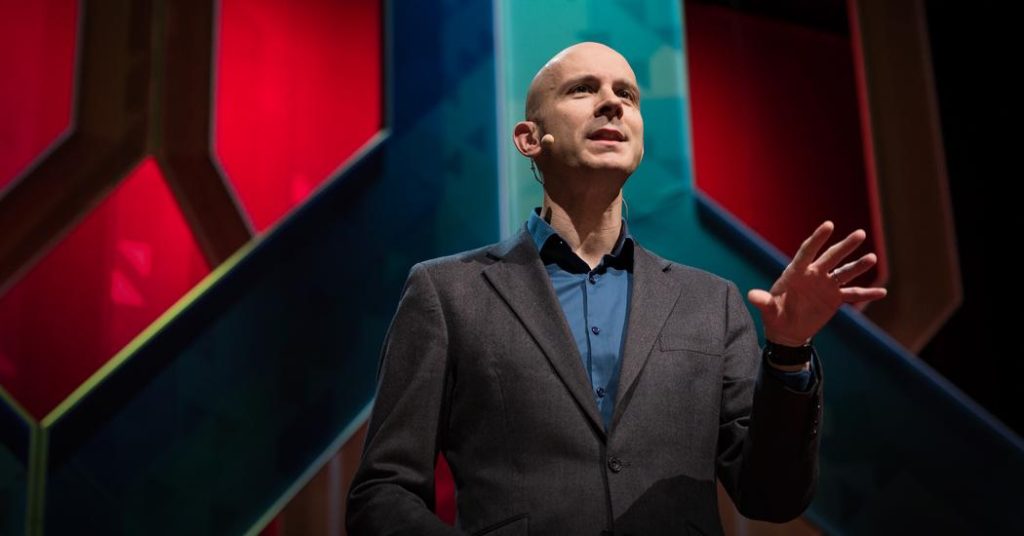
What You Can Learn, “To complete two things without a moment’s delay is to do not one or the other.” Harford starts with this statement, however, rapidly goes against it by affirming that individuals ought to really endeavor to do “two things on the double—or three or even four.”To back up his case, he educates the crowd concerning Albert Einstein’s example of conduct, which Harford depicts as “slow movement performing various tasks.” Einstein frequently chipped away at different activities simultaneously, yet not in the chaotic way we partner with performing multiple tasks in the cutting-edge working environment. All things considered, bits of knowledge from one undertaking can illuminate the other, the manner in which competitors benefit from broadly educating. Book A powerful way to unleash your natural creativity by Tim Harford Trip Now.
2. An astronaut’s story of curiosity, perspective and change by Leland Melvin
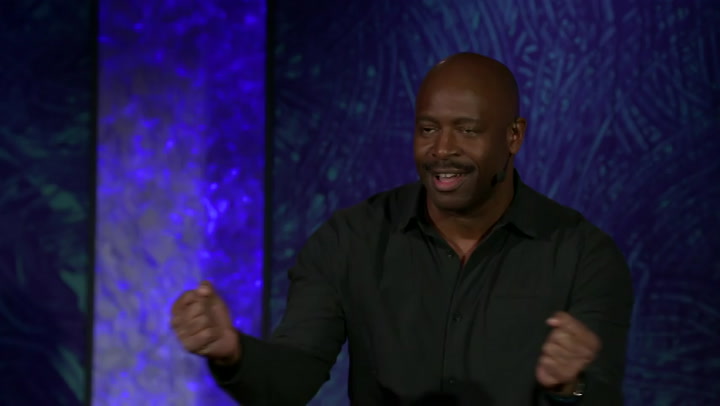
At the point when he was five years of age, Melvin watched Neil Armstrong and Buzz Aldrin’s noteworthy moon arriving on a highly contrasting TV set with his family. The following day, the children in the area began looking at being a space explorer—however Melvin, a self-portrayed thin dark child in a “to some degree bigoted town,” never tried fantasy about becoming one. But his folks, the two teachers, assisted him with extending his points of view. One summer, his dad assisted him with revamping the electric arrangement of a bread truck to change it into a camper. They went on it on a street outing. A little thing What You Can Learn, his mom gave him a science set. Those encounters instructed Melvin that he could be an adventurer, yet additionally a scientist. Book An astronaut’s story of curiosity, perspective, and change by Leland Melvin Trip Now.
3. How kids can help design cities by Mara Mintzer
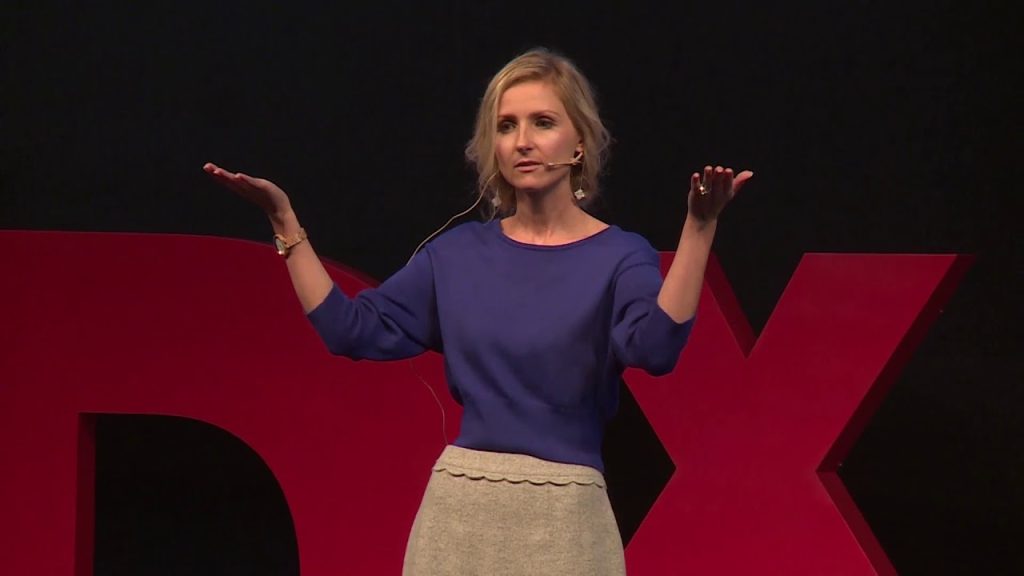
What You Can Learn, Mintzer, a metropolitan organizer, presents the issue toward the start of her discussion: “Our general public regularly settles on choices without speaking with a fourth of the populace.” She’s discussing youngsters. This is a reality so self-evident and striking that we can’t help thinking about why we’ve never truly pondered it before. She shares her experience as a component of ‘Growing Up Boulder,’ a city arranging program that counseled youngsters in essential and auxiliary schools on the redevelopment of a recreation area. She draws in the crowd by showing photographs of kids’ thoughts for the recreation area plan. Book How kids can help design cities by Mara Mintzer Trip Now.
4. Do schools kill creativity? by Sir Ken Robinson

What You Can Learn, Sir Ken Robinson clarifies that children are intrinsically innovative and unafraid to be off-base. In any case, as we develop into grown-ups, we figure out how to fear being off-base, on the grounds that both corporate and schooling frameworks deride botches. Additionally, craftsmanship subjects are frequently given the least need in training frameworks which is a grave mistake. This is on the grounds that in this day and age, degrees have become pointless and individuals need the imagination to make due. Sir Robinson finishes up by discussing Gillian Lynne, the prestigious choreographer of Broadway plays like Cats and Phantom of the Opera, and how she was unable to stand by at school. An expert found she just wanted to move and urged her folks to select her in dance school. Book Do schools kill creativity? by Sir Ken Robinson Trip Now.
5. Why people believe they can’t draw – and how to prove they can by Graham Shaw
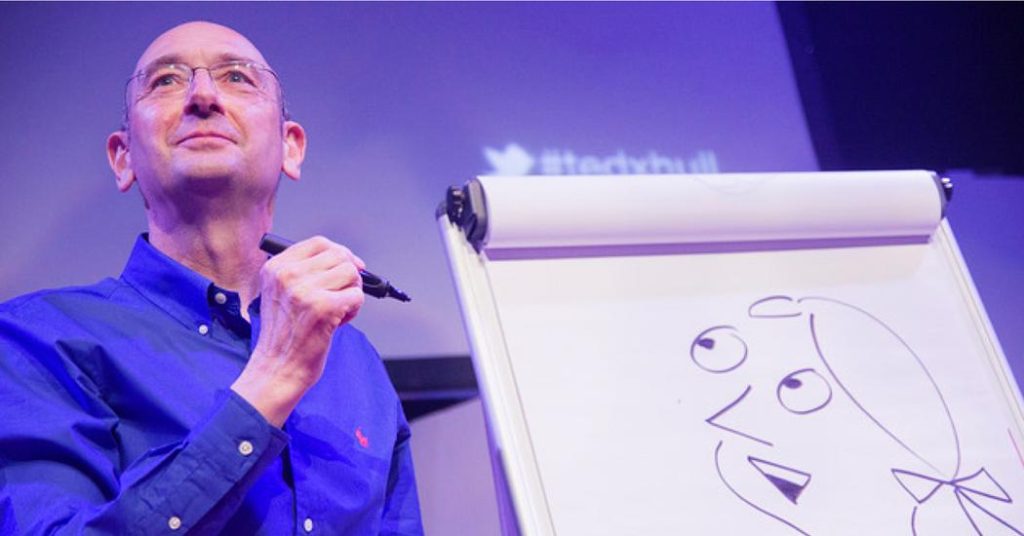
What You Can Learn, Interchanges master Graham Shaw shows how everybody has preferred drawing abilities over what they think. He presents his thoughts with an inquiry: “The number of you can draw?”Shaw contends that a significant part of the drawing abilities is impeded not by ability, but rather by convictions. So how might we defeat our devastating convictions and become great at drawing? One arrangement is a basic drawing “grouping,” which Shaw illustrates. Shaw makes his discussion intuitive by requesting that the crowd evaluate the procedure, requesting everyone to get a pen and a piece of paper. He additionally shows instances of exaggerations. Book Why people believe they can’t draw – and how to prove they can by Graham Shaw Trip Now.
6. How video games turn players into storytellers by David Cage
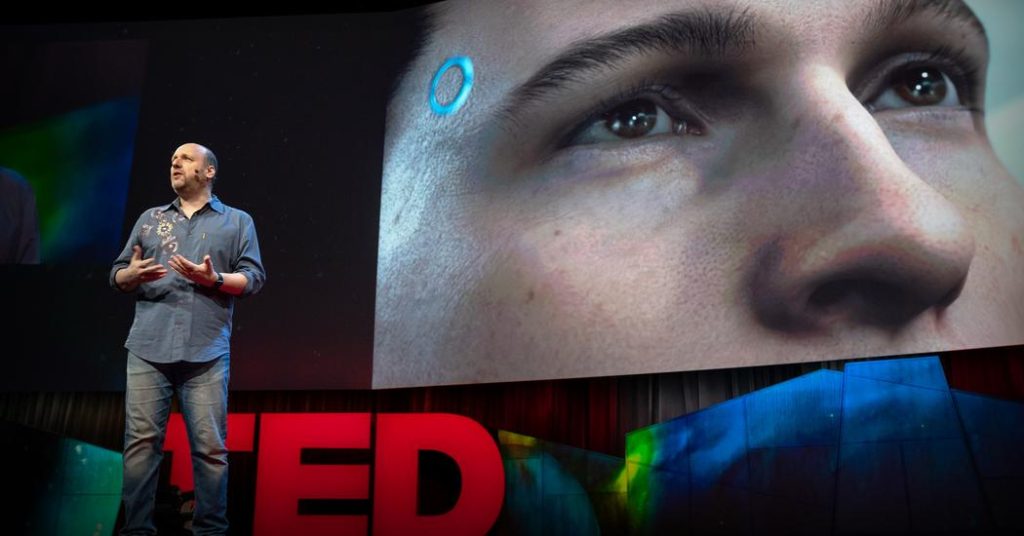
Toward the start of his discussion, Cage presents the issue: Although narrating mirrors life and brings out feelings, it can never truly recreate the thought of simply deciding. The crowd will in general be detached and don’t make decisions. He accepts intuitive narrating—including stages like intelligent TV, computer-generated reality, and computer games—can change that. He clarifies how his work as an intelligent author contrasts with that of direct essayists, as he wants to consider the many decisions that the crowd can make in every circumstance. He finishes on a hopeful note on the fate of intelligent narrating, which he accepts “can turn into another type of amusement and possibly another type of workmanship.” Book How video games turn players into storytellers by David Cage Trip Now.
7. Bridges should be beautiful by Ian Firth
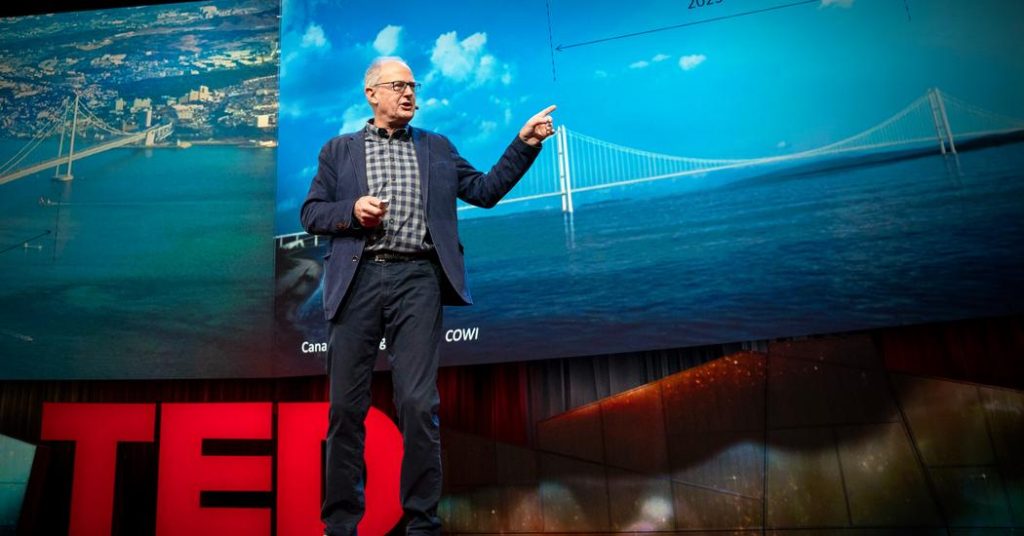
Firth, an underlying designer, starts by inquiring as to whether they could envision a world without spans. Well, that is not something we contemplate each day. He additionally talks about the effect of extensions on networks, particularly in poor, provincial regions. Book Bridges should be beautiful by Ian Firth Trip Now.